
Beyond a list of ingredients
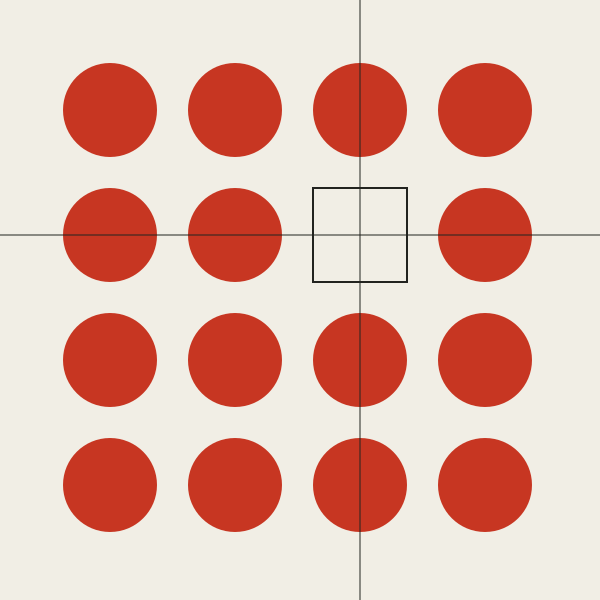
Two descriptions of the same object may focus on very different things. One lists its ingredients. Another describes its layers, openings, or repeating units. Reading both makes it possible to ask how composition and arrangement work together.
Structure is never entirely separate from scale. A surface that appears smooth to the eye may reveal a different landscape under magnification. Each view is useful for a different question.
A pattern is a starting point
A repeating feature invites comparison, but resemblance alone does not explain behaviour. A careful account records how the pattern was observed, which regions were examined, and how much variation appeared between them.
The same discipline applies to an irregular structure. Rather than treating every difference as noise, we can ask whether the variation is relevant to the property being studied.
Questions to carry forward
- At what scale was the arrangement described?
- Which features are repeated, and which vary?
- What comparison could connect a structural difference to a change in behaviour?
These questions keep a visual observation connected to a testable explanation.